
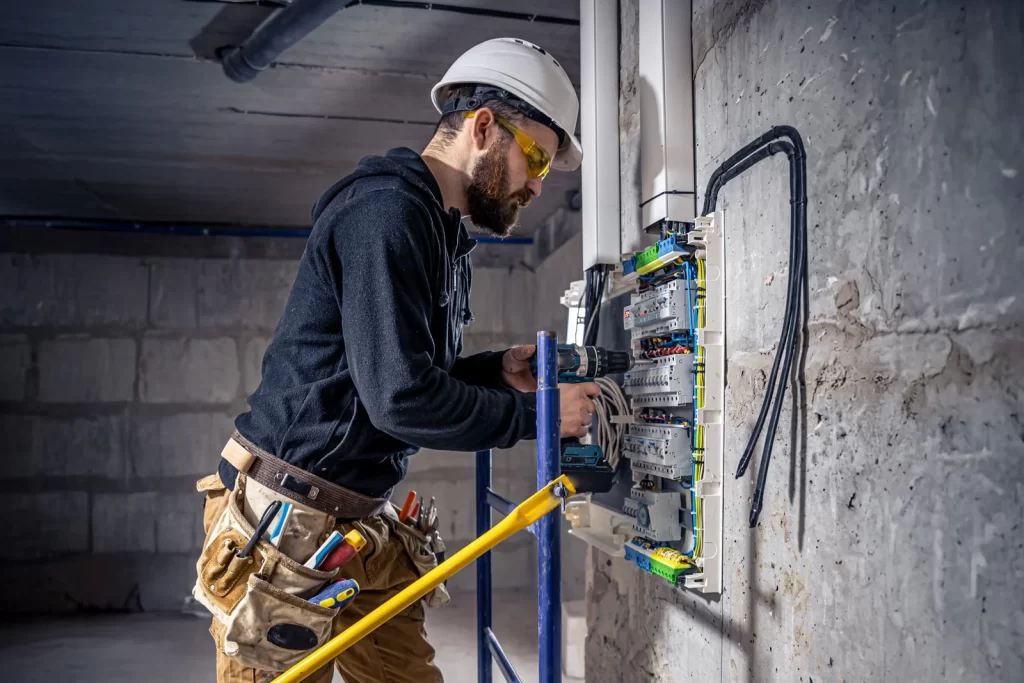
Mechanical, Electrical, and Plumbing systems have always been the backbone of homes and buildings, but heading into 2026, MEP services are evolving faster than ever.
Rising energy costs, smarter homes, stricter safety standards, and increasing system complexity are driving the most important MEP trends 2026, reshaping how systems are designed, installed, and maintained. What used to be “nice-to-have upgrades” are quickly becoming baseline expectations for homeowners, property managers, and commercial facilities.
This guide breaks down the latest 2026 trends shaping Mechanical, Electrical & Plumbing services, explains why they matter, and shows how to prepare your property for what’s coming next.
Why 2026 Is a Turning Point for MEP Services
These converging factors explain why MEP trends 2026 are focused on integration, efficiency, and safety rather than isolated upgrades or reactive repairs. Several forces are converging at once:
- Homes and buildings are more connected and power-hungry than ever
- Energy efficiency is no longer optional; it’s a cost and compliance issue
- Aging infrastructure is creating serious safety risks
- Inspections, insurance, and regulations are tightening
As a result, MEP systems are no longer treated as separate trades. They are now expected to work as one coordinated system, efficient, intelligent, and safe.
Key takeaway:
In 2026, successful MEP services focus on integration, prevention, and future readiness, not just repairs.
Smart Home–Integrated MEP Systems Become the New Standard
Smart technology is no longer limited to lighting and security. In 2026, MEP systems themselves are becoming intelligent. One of the most influential MEP trends 2026 is the deep integration of smart technology directly into Mechanical, Electrical, and Plumbing systems.
What’s changing
Modern MEP systems now use:
- Sensors to detect performance issues early
- Automation to optimize comfort and efficiency
- Remote monitoring to reduce downtime and emergency failures
Instead of reacting after something breaks, systems now anticipate problems before they escalate.
Common smart MEP upgrades in 2026
Mechanical (HVAC)
- Smart thermostats with room-by-room zoning
- Variable-speed HVAC systems that adjust automatically
- Indoor air quality sensors tracking humidity, CO₂, and pollutants
Electrical
- Smart electrical panels that monitor load and detect faults
- Whole-home surge protection
- EV charger integration with load management
Plumbing
- Leak detection sensors
- Automatic water shutoff valves
- Smart water heaters with usage optimization
Why this matters
- Faster detection of issues
- Reduced energy and water waste
- Improved safety and system lifespan
- Better control and visibility for homeowners and managers
Important note:
Smart MEP upgrades must be installed by licensed professionals. Improper installations can cause code violations, system conflicts, and safety hazards.
Energy-Efficient MEP Systems Drive Upgrade Decisions
Energy efficiency is no longer just about “saving money.” In 2026, it will affect:
- Monthly operating costs
- Long-term system durability
- Inspection outcomes
- Property value and resale appeal
Key energy efficiency trends for 2026
- High-efficiency HVAC systems are becoming the standard
- Electrification of heating and appliances
- Smarter load management across electrical systems
- Water-efficient plumbing fixtures paired with pressure regulation
High-ROI MEP efficiency upgrades
Mechanical
- High-efficiency heat pumps
- Variable-speed air handlers
- Duct sealing and airflow optimization
Electrical
- Panel upgrades to support modern loads
- LED lighting retrofits
- Smart load balancing for high-demand homes
Plumbing
- Tankless or high-efficiency water heaters
- Low-flow fixtures without performance loss
- Pressure-reducing valves
Cost vs. savings reality
While upgrade costs vary, energy-efficient MEP systems typically:
- Reduce monthly utility bills
- Lower repair frequency
- Extend system lifespan
- Improve comfort and reliability
In many cases, the cost of inefficiency over time exceeds the cost of upgrading.
Modern Safety Standards Are Reshaping MEP Services
One of the most overlooked 2026 MEP trends is safety, and it’s also the most critical.
As buildings age and energy demands rise, older MEP systems are increasingly unsafe, even if they appear to “work fine.”
Why safety is a top priority in 2026
- Increased electrical loads from smart devices and EVs
- Aging panels, wiring, pipes, and HVAC components
- Stricter inspections and insurance requirements
- Higher consequences for failures (fires, flooding, outages)
Mechanical safety trends
- Improved combustion air and ventilation standards
- Carbon monoxide detection tied to HVAC systems
- Indoor air quality monitoring to reduce health risks
Electrical safety trends
- Replacement of outdated or recalled electrical panels
- Expanded arc-fault and ground-fault protection
- Proper grounding and bonding for modern systems
- EV charger installations requiring panel assessments
Plumbing safety trends
- Cross-connection control to prevent contamination
- Pressure regulation to protect pipes and fixtures
- Leak prevention systems to reduce water damage
Warning signs your MEP systems may not meet modern safety standards:
- Frequent breaker trips
- Flickering lights or burning smells
- Unexplained water pressure issues
- Rising energy bills with no usage change
- Aging systems without recent inspections
Preventive & Predictive Maintenance Becomes the Norm
In 2026, the most effective MEP services focus on preventing emergencies, not reacting to them.
From reactive repairs to proactive service
Traditional maintenance relied on schedules and guesswork. Modern MEP maintenance uses:
- Sensor data
- Performance tracking
- Usage-based servicing
This approach reduces breakdowns, improves reliability, and lowers long-term costs.
What preventive MEP service includes
- System inspections and performance tuning
- Filter replacement and airflow testing
- Refrigerant checks
- Load testing and thermal scans
- Panel inspections
- Surge protection checks
- Leak detection inspections
- Pressure testing
- Water heater maintenance
- Routine testing
- Battery inspections
- Fuel system checks
Benefits of preventive MEP services
- Fewer emergency calls
- Lower repair costs
- Increased system lifespan
- Improved safety and compliance
One MEP Partner vs. Multiple Contractors
As systems become more connected, fragmented service creates risk.
Why integrated MEP services matter in 2026
- Mechanical, electrical, and plumbing systems now affect each other
- One upgrade can impact multiple systems
- Accountability matters when safety is involved
Risks of using multiple contractors
- Conflicting recommendations
- Missed safety issues
- Delayed diagnostics
- Higher long-term costs
What to look for in a modern MEP service provider
- Licensed HVAC, plumbing, and electrical teams
- Experience with smart and energy-efficient systems
- Strong safety and compliance knowledge
- Preventive maintenance programs
- Emergency response capability
How to Prepare Your Home or Building for 2026 MEP Standards
Preparing for 2026 doesn’t require doing everything at once. It requires planning and prioritization.
A practical MEP readiness roadmap
- Schedule a full MEP inspection
Identify safety, efficiency, and reliability gaps. - Prioritize upgrades correctly
Safety → Reliability → Efficiency → Smart features - Plan phased improvements
Spread costs while improving system performance. - Upgrade aging components proactively
Don’t wait for failures or inspection issues. - Enroll in preventive maintenance
Protect your investment long-term.
Frequently Asked Questions
- What are MEP services?
MEP services include Mechanical (HVAC), Electrical, and Plumbing systems, covering installation, upgrades, repairs, and maintenance. - What are the biggest MEP trends for 2026?
Smart system integration, energy efficiency, modern safety standards, and preventive maintenance. - Are smart MEP upgrades worth it?
Yes. They improve safety, efficiency, comfort, and early issue detection. - How do energy-efficient MEP systems save money?
They reduce energy and water usage, prevent breakdowns, and extend system lifespan. - When should I upgrade my electrical panel?
If your panel is outdated, overloaded, or not designed for modern demands like EV charging, it’s time for an assessment. - Do older homes need MEP upgrades to meet safety standards?
Often, yes. Many older systems no longer meet modern safety or efficiency expectations. - How often should MEP systems be inspected?
At least annually, or more frequently for commercial or high-use properties. - Can one company handle HVAC, plumbing, and electrical work?
Yes, and integrated MEP service providers are increasingly preferred for safety and coordination.
Final Thoughts: MEP Services in 2026 Are About Readiness, Not Reaction
The biggest takeaway from the evolving MEP trends 2026 is that readiness now matters more than reaction later.
Instead of reacting to breakdowns, modern MEP strategies focus on:
- Safety first
- Energy efficiency
- Smart integration
- Preventive care
Homes and buildings that adapt early will be safer, more comfortable, and more cost-efficient, while those that delay will face higher risks and expenses.
If you’re planning upgrades, maintenance, or inspections, now is the time to prepare your MEP systems for the 2026 standards.