
As temperatures drop across Moore County and the Sandhills, your heating system becomes one of the hardest-working parts of your home. Winter is when small HVAC issues turn into big, expensive failures, frozen coils, heat pump breakdowns, failing igniters, skyrocketing energy bills, and uneven heating throughout the house.
The good news? Almost all of these problems are preventable with a simple winter HVAC maintenance plan.
At Fields & Fowler, we’ve kept Moore County families comfortable for more than 75 years. Our licensed HVAC technicians handle everything from heat pump tune-ups to furnace repairs, TRANE system replacements, and 24/7 emergency heating calls.
Below, we break down the most important HVAC maintenance steps to winter-proof your home, boost efficiency, and avoid heating breakdowns when you need warmth the most.
Need your annual heating system maintenance?
Fields & Fowler offers 24/7 HVAC service across Carthage, Pinehurst, Southern Pines, Aberdeen, and Sanford. Call now to book your winter maintenance appointment.
Quick Winter HVAC Maintenance Checklist (At-A-Glance)
Use this simple checklist to prepare your home:
- Replace or clean HVAC air filters
- Check thermostat settings & battery
- Inspect and clear the outdoor heat pump unit
- Seal leaky ductwork
- Test furnace or heat pump heating cycles
- Clear all vents & registers
- Check carbon monoxide detectors
- Schedule a professional HVAC inspection
- Bonus: Inspect your water heater
Why Winter HVAC Maintenance Matters in Moore County
While our winters in the Sandhills aren’t the harshest in North Carolina, the temperature swings, warm days followed by freezing nights, place unique stress on HVAC systems:
- Heat pumps defrost more often, leading to higher energy use
- Furnaces cycle on/off rapidly during temperature shifts
- Older homes throughout Moore County lose heat faster through unsealed ducts and poorly insulated attics
- Outdoor units can freeze, clog, or struggle with debris buildup
- Humidity changes cause thermostat misreads and comfort imbalance
Winter heating system maintenance ensures reliability, prevents emergency breakdowns, and helps homeowners avoid expensive Christmas-season repairs.
Essential HVAC & Heating Maintenance Tips to Prepare for Winter
1. Replace or Clean Your Air Filters Regularly
Clogged filters force your heating system to work harder, causing higher energy bills and unnecessary wear.
Why it matters:
Restricted airflow is the #1 cause of winter HVAC inefficiency and heat pump failure.
What to do:
- Replace filters every 30–60 days
- Choose the right MERV rating for your system
- Homes with pets or allergies may need monthly replacements
2. Test Your Thermostat & Consider Upgrading
A thermostat that’s not reading properly causes uneven heating and wasted energy, a common issue discovered during heating system maintenance.
Winter prep checklist:
- Check that the thermostat switches smoothly from cooling → heating
- Replace old batteries
- Verify accurate temperature reading
- Consider upgrading to a smart thermostat for more precise control
Smart thermostats work especially well with TRANE and heat pump systems, a common setup in Moore County homes.
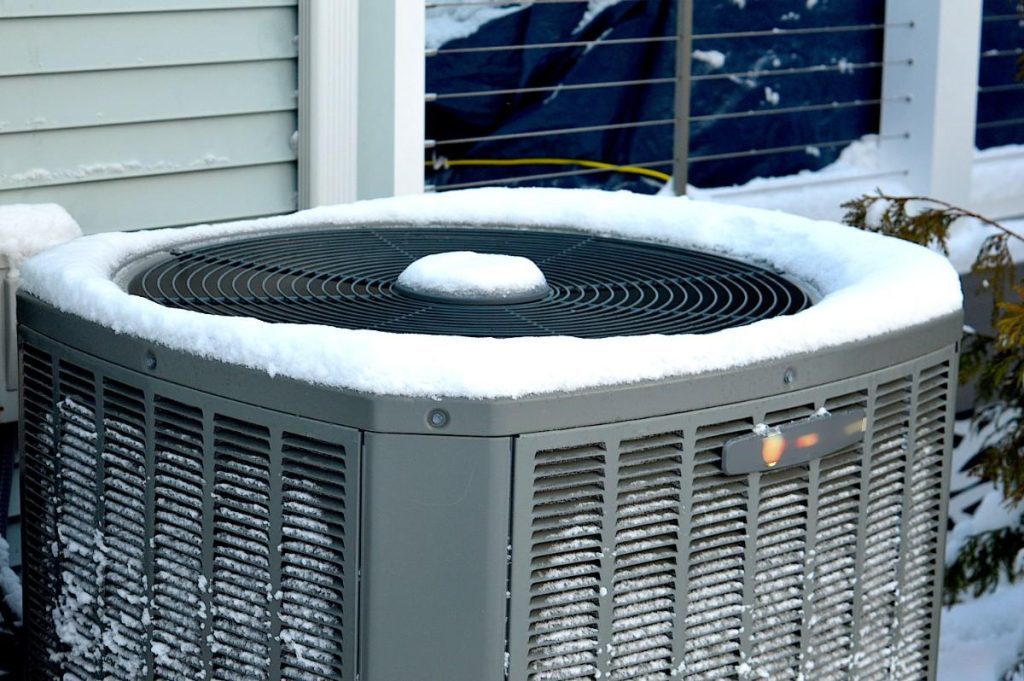
3. Inspect & Clear Your Outdoor Heat Pump Unit
Winter storms bring falling pine needles, leaves, and sand all common in the Sandhills.
Make sure to:
- Clear debris within 2–3 feet of the unit
- Ensure proper drainage
- Check for frost buildup (light frost is normal; heavy ice is not)
- Keep the top fan free of obstructions
If your heat pump freezes solid, turn it off at the thermostat and call a professional immediately.
4. Seal Leaky Ductwork Especially in Older Sandhills Homes
Many Moore County homes (especially in Pinehurst and Southern Pines) still have aging duct systems that leak warm air into attics and crawlspaces.
Benefits of sealing ducts:
- Better heating efficiency
- Lower winter energy bills
- More consistent room temperatures
- Reduced strain on your HVAC system
A professional duct inspection is often included during full heating system maintenance visits.
5. Check Vents, Registers & Home Airflow
Blocked vents disrupt airflow and force your system to overwork, especially in multi-level homes.
What to do:
- Open all supply vents
- Ensure furniture isn’t blocking airflow
- Vacuum dust around vents
- Remove any kids’ toys or pet hair that may have accumulated
Avoid closing vents to “save heat.” This actually raises system pressure and causes blower issues.
6. Inspect Your Furnace or Heat Pump for Warning Signs
Early detection prevents mid-winter breakdowns.
Watch for:
- Burning or musty smells
- Short cycling (turns on/off frequently)
- Unusual noises (rattling, grinding, squealing)
- Cold spots in rooms
- Rising energy bills without explanation
- Heat pump stuck in emergency heat mode
These issues often reveal deeper problems uncovered during heating system maintenance.
7. Bonus Tip: Don’t Forget Your Water Heater
Water heaters work harder in cold weather and many families don’t realize they need winter prep too.
Winter water heater checks:
- Inspect insulation on pipes
- Flush sediment buildup
- Check temperature setting (120°F recommended)
- Schedule tankless descaling if needed
A properly maintained water heater reduces energy use and prevents cold-shower surprises.
8. Schedule Professional HVAC Maintenance Before Cold Temps Hit
A licensed technician will perform a full heating system evaluation including:
- Electrical checks
- Coil inspection
- Refrigerant verification
- Blower motor lubrication
- Safety testing
- TRANE system optimization
- Furnace inspection (igniter, flame sensor, burners)
- Heat pump defrost cycle check
This tune-up ensures maximum comfort and reliability all winter long.
Professional vs. DIY: What’s Safe and What Isn’t
Homeowners can safely:
- Change filters
- Clear outdoor unit debris
- Check thermostat settings
- Vacuum vents
A professional should handle:
- Electrical issues
- Refrigerant checks
- Furnace igniter problems
- Heat pump defrost malfunctions
- Duct sealing
- Airflow balancing
- System diagnostics
- Gas furnace safety testing
Working with high-voltage components or gas lines without training is risky, and voids warranties.
Common Winter HVAC Problems in Moore County
Here are the issues we see most often during December–February:
1. Heat pump not blowing warm air
Often caused by thermostat issues or low refrigerant.
2. Excessive frost on outdoor unit
May indicate a defrost malfunction.
3. Furnace ignition failure
Dirty igniters or cracked heat exchangers.
4. Uneven heating between rooms
Usually duct imbalances or blocked vents.
5. High winter utility bills
Often due to leaky ducts or aging heat pumps working overtime.
If you notice any of these, book service immediately — small issues can become system failures, especially during cold snaps.
Local Case Study: Winter-Proofing a Home in Pinehurst
A Pinehurst homeowner called us after noticing cold spots and rising electric bills in December.
The problem:
A 12-year-old heat pump is constantly running, with weak airflow.
Our solution:
- Performed a full winter HVAC tune-up
- Replaced a clogged filter & cleared the outdoor unit
- Sealed several major duct leaks in the attic
- Adjusted thermostat calibration
- Recommended a TRANE high-efficiency replacement within 12–18 months
The result:
The home’s heating improved dramatically, and energy costs dropped by 22% in January.
Why Moore County Homeowners Trust Fields & Fowler
- 75+ years of combined local service
- Licensed HVAC, plumbing, electrical, and generators — full MEP partner
- TRANE & Cummins certified dealer
- 24/7 emergency heating service
- Local technicians based in Carthage & Sanford
- Upfront pricing, guaranteed workmanship
- Thousands of local service calls completed across the Sandhills
Book Your Winter HVAC Tune-Up
Call now or schedule online, stay warm, safe, and energy-efficient all winter long.
Winter HVAC Maintenance FAQs
- How often should HVAC systems be serviced in winter?
At least once per year, ideally in the fall before cold temperatures arrive. - What’s the best thermostat setting for cold weather?
For most homes: 68–70°F during the day and 65°F at night. - How do I know if my furnace or heat pump is failing?
Watch for short cycling, rising utility bills, cold spots, or strange noises. - What’s included in a winter HVAC tune-up?
A full inspection of electrical components, coils, blower motor, refrigerant levels, heat strips, igniters, and safety systems. - How can I reduce winter energy bills?
Seal ducts, replace filters, install a smart thermostat, and ensure annual maintenance.
Conclusion
Winter HVAC maintenance is one of the easiest ways to protect your home, reduce energy use, and prevent emergency repairs. Combining your winter prep with the best HVAC maintenance tips to prepare your home for winter ensures maximum comfort when temperatures drop.
Fields & Fowler is proud to serve Moore County homeowners with fast, dependable HVAC service and 24/7 support, from heat pump tune-ups to furnace repairs and TRANE system upgrades.
Stay warm this winter. Call Fields & Fowler today to schedule your heating system tune-up.